5 myths a narcissistic home makes you believe

Did you grow up in a narcissistic home? If so, you may have limiting beliefs that seem to make sense on the surface, but only keep you stuck.
Today we’re going to break down the 5 myths you might believe if you grew up in a home like this.
Myth #1: She has to change before I can find peace
If you grew up with a narcissistic mother, you may believe that your happiness depends on her changing. You think that she has to be different before you can feel okay.
The truth is, nothing and no one outside of you needs to change for you to find peace. When you turn your energy inward to focus on healing yourself, your perspective toward those externals will change, even when she doesn’t.
Because it’s your judgment of what’s happening that makes it painful more than the facts themselves. When you learn that acceptance is the key to freedom and that she will likely never change, peace becomes possible.
myth #2: If I accept her behavior, I’m condoning it
When you accept someone or something as it is, you’re not giving it your stamp of approval. You’re simply saying that you don’t have the power to change that person or situation and you’re not going to waste your energy trying.
When you’re not accepting something, you’re resisting it. And you may have heard the phrase, What you resist persists.
That expression comes from real research showing that pain that we resist is more intense than pain that we accept. This can be true for emotional pain as well.
So when you resist something you are not changing it, but only making the experience more painful for yourself.
MYTH #3: I just need to try harder

If you grew up in a narcissistic home, you hold out hope that if you explain yourself well enough, become successful enough, or finally get everything right, your mother will respond with the love and validation you’ve always wanted.
With someone like this, nothing you do or say will likely ever get through to her. It’s not that she doesn’t have enough information; she doesn’t want to see your point of view because she can’t face the truth.
Dysfunctional family systems are based on secrets and lies. Admitting the truth would mean admitting that something has to change and they won’t do that.
In fact, the whole mission of these types of families is to avoid change and growth. It may be conscious or subconscious but they are terrified of looking under the hood of this family system because of what they might find.
You are a threat to their image of themselves as normal and they need to keep you as the problem to maintain this false image of themselves.
They don’t have honest motives like you. Honesty will expose them, so they see you as a threat.
MYTH #4: I have to make her understand me
When you start to focus your energy on yourself and your own healing, you will find that your attitude toward the stressors in your life changes even when the situation itself has not.
My client who grew up in a narcissistic home went to visit her mother after we started working together. Her mother behaved the same as she always had, criticizing and taking her for granted, but my client said this time she felt detached.
The outrage and the need for her mother to treat her differently had vanished because she had accepted that this is just how her mother behaves.
You can stop going back to the empty well for water and give yourself the love and attention that you never received. You can give yourself the understanding and compassion your mother can’t or won’t.
The younger part of you believes that you need the bond with your mother to survive, but you don’t anymore. Thank that younger part for taking care of you, and let her know you can handle rejection because you’re an adult now.
MYTH #5: I have to forgive her
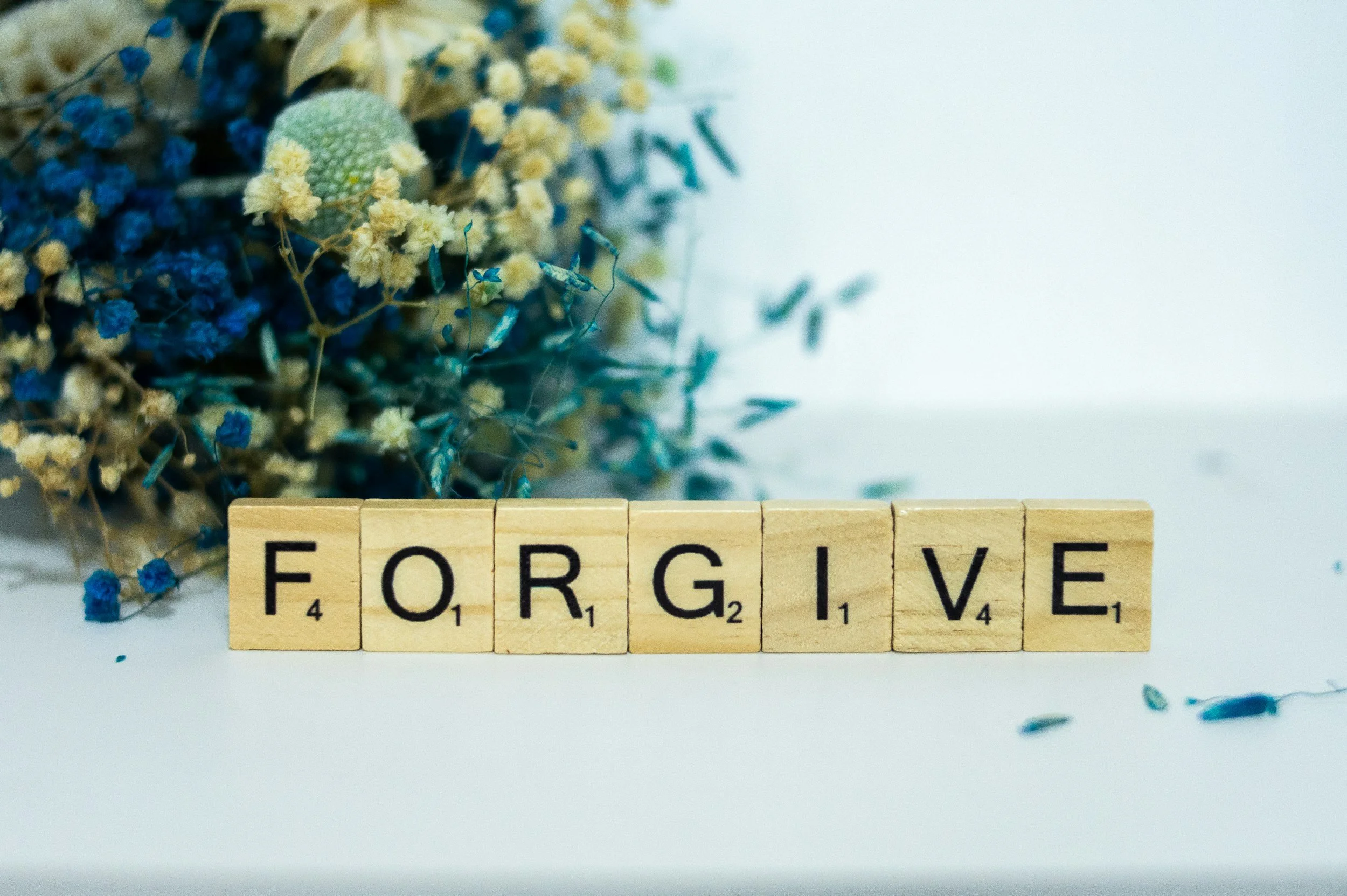
Mainstream self-help loves to tell us that forgiveness is an essential part of the healing process. That leads many to put their energy into trying to forgive the unforgivable instead of focusing on their own healing.
For this reason, a lot of forgiveness is forced and fake. This feeds into the old pattern of pretending to be something you’re not, and abandoning your true feelings to meet someone else’s standard of goodness.
What if you need to forgive yourself for how long it took to accept the truth, or how long you allowed yourself to be treated poorly?
You can acknowledge that someone had a traumatic experience and still hold them accountable for how they treated you. And accountability doesn’t need to be demanded of them; in fact it shouldn’t be.
But you’re no longer willing to minimize what they did to you. Your energy now goes into healing the impact of their treatment on you, rather than extending forgiveness that you don’t really feel.
And you were traumatized, too, as a child in a narcissistic home. So why not reserve some of that compassion for yourself?
It’s okay to feel sorry for someone else, but widen that circle of compassion to include yourself as well.
Next Steps
Now you know that nothing outside of you needs to change in order for you to heal. You can turn the energy you used to focus on others, and turn it toward yourself.
My 4-step method for healing has helped thousands of women, including myself, recover from the impact of growing up in a narcissistic home. I walk you through this process step-by-step in two bite-sized videos.